Rooted in Christ: A Designer's Review for Real Embroidery Projects
When I first opened the files for Rooted in Christ, my initial reaction was one of quiet appreciation. In a market flooded with generic scripture and overused fonts, this design stands out because it feels grounded rather than flashy. As someone who spends hours evaluating embroidery designs for client work and my own handmade shop, I look for more than just pretty shapes; I need to know if a design will hold up under the needle and resonate with a buyer looking for something meaningful.
The mood created by Rooted in Christ is one of stability and calm. The layout suggests a central theme that anchors the viewer, making it perfect for projects where you want the message to be the hero without overwhelming the fabric. Whether you are an Etsy seller preparing a new listing or a crafter making a gift for a church group, this piece offers a professional foundation that elevates the perceived value of your finished product.
First Impressions: Mood, Layout, and Visual Personality
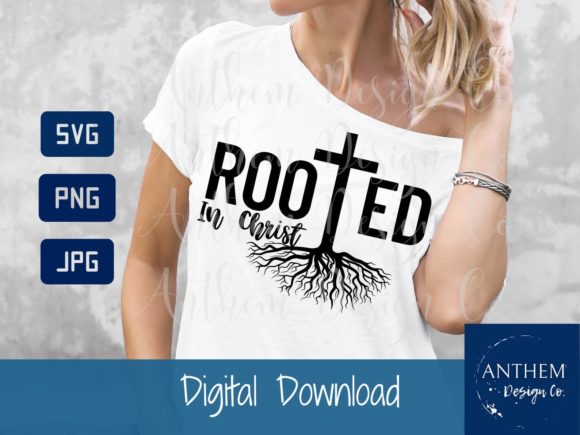
Visually, the design carries a weight that matches its spiritual title. It does not rely on excessive ornamentation but instead uses clean lines and thoughtful spacing to convey its message. When I looked at the Illustrations included in the package, I noticed how the negative space is handled. This is crucial for embroidery because it dictates how the threads will interact with the fabric texture. A design that is too dense can pucker thin materials, while one that is too sparse might look lost on a large tote bag.
The personality of Rooted in Christ feels approachable yet dignified. It strikes a balance between modern aesthetics and traditional craftsmanship. For a designer, this versatility is gold. It means the same file could work beautifully on a rustic burlap sack for a fall harvest event or on crisp white cotton for a nursery wall hanging. The visual hierarchy is clear, guiding the eye naturally from the main motif to any accompanying text, ensuring that the core message remains legible even after the stitching process.
Real-World Application: From Tote Bags to Nursery Decor
To truly understand the potential of this design, I put myself in the shoes of a small business owner preparing a custom order. Imagine a scenario where a client requests a set of personalized aprons for a local bakery. They want something that reflects their faith-based values without being overly loud. Here, Rooted in Christ becomes the centerpiece. By placing it on the chest area of a heavy-duty canvas apron, the design gains a tactile presence that print-on-demand simply cannot match.
I also envision this design thriving in the baby category. Parents often seek gentle, meaningful decor for nurseries. Using this as an embroidered patch on a denim jacket for a toddler or stitching it onto a receiving blanket creates a keepsake that lasts years. The design's simplicity allows it to adapt well to different thread colors, which is vital when matching soft pastels for a baby shower gift or bold primary colors for a child's room.
For the commercial embroiderer, the possibilities extend to holiday gifts and boutique branding. During the Christmas season, this design could be adapted into a series of ornaments or pillow covers. The stability of the composition ensures that even when repeated across multiple items, each piece maintains its individual integrity. It transforms a simple embroidery project into a cohesive collection that buyers can recognize as part of a specific brand identity.
Technical Considerations and Fabric Challenges
While the design is versatile, every experienced designer knows that success lies in the details. There are specific scenarios where Rooted in Christ requires careful handling to ensure the final result looks polished. One major consideration is the hoop size. If you attempt to stitch this on a very small surface, such as a cap brim or a tiny baby bib, you must ensure the design scales down without losing its defining features. Tiny lettering or intricate corners can become muddy if the stitch density is too high for the available space.
Fabric choice plays an equally critical role. On stretchy fabrics like jersey knit, the tension of the machine can cause the design to distort if proper stabilizers are not used. Similarly, textured fabrics like thick fleece or bouclé can hide the finer details of the satin stitch or running stitch. In these cases, a denser backing might be necessary to support the design, but this can add unwanted stiffness to the garment. For dark fabrics, the contrast of the thread color becomes paramount; a light-colored design on black may require additional underlay stitches to prevent the fabric from showing through the gaps.
Another practical challenge involves products that undergo frequent washing. Items like kitchen towels or daily wear t-shirts face significant abrasion. If the stitch density is too loose, the threads may pull or fray over time. Conversely, if the design is too tight, it can create a hard spot on the fabric that feels uncomfortable against the skin. Testing on scrap fabric is non-negotiable here. You need to verify that the fill stitch areas lay flat and that the edges are secure before committing to a customer's order.
Practical Notes for Designers and Makers
Before you upload this digital embroidery file to your machine, there are several steps to take to guarantee a professional outcome. First, always test the design on a scrap piece of the actual fabric you intend to use. This helps you gauge how the thread colors interact with the material and reveals any potential puckering issues.
Check your hoop size constraints carefully. If the design includes fine details, ensure your machine's hoop can accommodate the full dimensions without cutting off essential elements. Inspect the small details closely; sometimes, what looks good on a screen can disappear once stitched. Comparing the design in black and white mockups can also help you assess the balance of light and dark areas, ensuring the visual impact remains strong regardless of the thread palette.
Don't forget to review the licensing terms provided with the download. Many designers sell design assets for personal use only, while others offer commercial licenses for selling finished goods. Confirming whether you can sell the final embroidered product is essential for protecting your craft business from legal issues. Additionally, using the correct stabilizer is key to maintaining the shape of the design, especially on curved surfaces like hats or layered garments.
Final Thoughts on Value and Trust
In the world of handmade products, trust is built on consistency and quality. When a customer sees a well-executed embroidered patch or a neatly stitched tote bag design, they immediately associate that quality with the maker. Rooted in Christ provides a solid framework for building that reputation. Its clean lines and meaningful theme make it a reliable choice for anyone looking to create personalized gifts or expand their Etsy listings.
Whether you are creating a sweatshirt embroidery for a youth group or a holiday embroidery decoration for your home, this design offers a level of professionalism that elevates your work. It respects the medium of embroidery, allowing the thread to shine without fighting against the fabric. By taking the time to test, stabilize, and plan your application, you can turn this digital asset into a tangible masterpiece that brings joy to its recipient.
Ultimately, the true value of Rooted in Christ lies in its ability to connect. It serves as a reminder of faith and stability, translated through the timeless art of needlework. For designers and makers willing to put in the groundwork, this design is more than just a graphic; it is a tool for creating lasting connections with your audience.