Drinking with Your Cat: A Designer's Real-World Embroidery Review
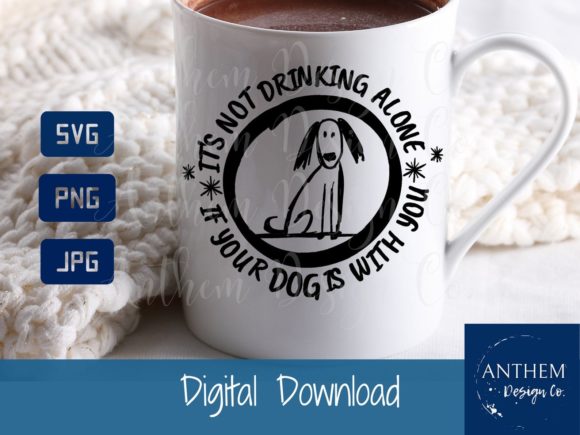
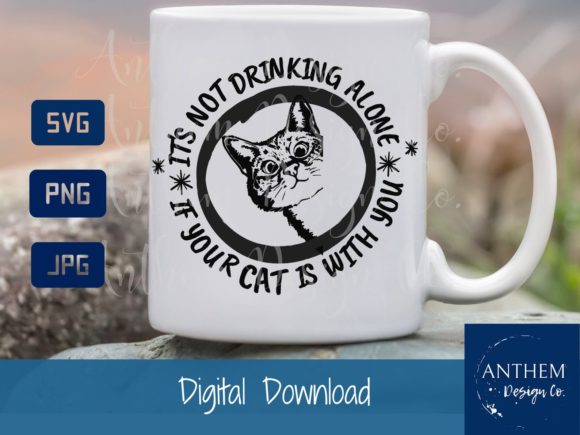
As someone who has spent years stitching custom pieces for clients and running a small handmade shop, I know that the difference between a good design and a great one often comes down to how it behaves under the needle. When I first pulled up Drinking with Your Cat, my initial reaction wasn't just about the cute theme; it was about its potential as a functional piece of art. This isn't just a digital image to slap on a screen; it is a machine embroidery design waiting to be translated into thread. The concept immediately strikes a chord with cat lovers, coffee enthusiasts, and anyone who appreciates a little humor in their daily routine. But does it hold up when you move from the computer monitor to the hoop?
First Impressions and Visual Personality
The mood of Drinking with Your Cat is undeniably cozy and whimsical. It feels like a quiet morning scene or a relaxed evening after work. As an illustrator, I look at the layout and see a design that balances text and imagery well. The typography needs to be crisp, but the real star here is the character interaction. For a design to work in embroidery, it needs enough negative space to breathe, otherwise, the stitches become a muddy mess. In this case, the composition seems designed to allow for clean satin stitch outlines and soft fill stitch areas that will capture the texture of fur and fabric.
When I think about where this embroidery file fits best, it screams "homey." It belongs in spaces where people relax. It creates a sense of warmth that translates perfectly into physical products. Unlike some rigid corporate logos or overly complex artistic renderings, this design has a playful personality that invites touch. It feels approachable, which is exactly what you want when creating items for a gift or a boutique collection. The visual weight suggests it works best as a focal point on a garment or a decorative accent on a household item.
Real-Life Application: From Screen to Stitch
Let's talk about a specific scenario. Imagine I am preparing a custom order for a client who loves her feline companion and her morning brew. She wants a personalized tote bag for her weekly farmer's market run. I pull up Drinking with Your Cat to test how it would look stitched onto canvas. The design's scale is crucial here. If placed too small, the details get lost; if too large, it overwhelms the bag. With the right hoop size, this design could anchor the front of a sturdy tote perfectly.
But it doesn't stop there. I also considered using this design for a baby sweatshirt for a new parent. The theme is gentle and humorous without being childish, making it ideal for a nursery-themed gift or a "first Christmas" outfit. The idea of a tiny embroidered patch featuring this scene on a denim jacket or a child's backpack is another strong possibility. In fact, for commercial embroidery projects targeting Etsy sellers or craft fair vendors, this design hits a sweet spot. It appeals to a broad demographic of pet owners who are willing to pay a premium for something that feels personal and handcrafted.
I also envision this as a kitchen towel design. There is something charming about a tea towel hanging near the coffee maker with this motif. It turns a utilitarian object into a conversation starter. However, achieving that professional finish requires careful attention to thread colors. You need high-contrast threads to ensure the cat and the cup stand out against the background fabric, whether it is a white linen or a dark navy cotton.
Navigating Challenges and Limitations
No design is perfect for every situation, and Drinking with Your Cat has its own set of constraints that a designer must respect. One major consideration is the stitch density. If the original illustration contains intricate details like whiskers or fine print, these can be problematic on stretchy fabrics like jersey knits. Without proper stabilizer and a stabilizing technique, the fabric might pucker, ruining the crispness of the running stitch or satin stitch lines.
Small hoop sizes present another hurdle. If you are trying to fit this design onto a baseball cap or a small hat, you need to verify that the entire graphic fits within the curved surface area. Curved surfaces require a different approach than flat panels; if the design is too wide, it might distort around the curve of the cap. Additionally, textured fabrics like heavy wool or boucle can hide the definition of the embroidery, making the image look less sharp. On thin fabrics, the density of the stitches might cause the material to tear or bunch up over time, especially if the item is subjected to frequent washing.
Dark fabrics are also a consideration. While possible, they often require a backing layer or a specific thread color palette to ensure visibility. If the design relies on light colors for key details, they might get lost against a black shirt unless you use a high-quality underlay or a contrasting border. Always inspect the digital embroidery file closely before committing to a production run to ensure the detail level matches your intended product.
Impact on Product Value and Branding
Using a well-executed design like Drinking with Your Cat significantly elevates the perceived value of a handmade product. Customers can tell the difference between a cheap vinyl transfer and high-quality machine embroidery. The texture and depth of the thread add a tactile element that vinyl simply cannot replicate. This distinction builds trust and allows you to charge a higher price point for your handmade product.
For small business owners and Etsy sellers, consistency is key. A design that looks professional and clean across various items—from tote bag designs to sweatshirt embroidery—helps establish a cohesive brand identity. When customers receive a package containing a beautifully embroidered item, they are more likely to leave positive reviews and recommend your shop. The "giftability" factor is also huge; this design feels thoughtful and tailored, making it an excellent choice for holiday gifts or special occasions.
Practical Designer Notes for Success
Before you start stitching, there are a few non-negotiable steps to take. First and foremost, always test the design on scrap fabric that matches your final project material. This allows you to check the thread color contrast and see how the stitch density interacts with the weave of the cloth. Do not skip the step of reviewing the design in black and white mockups; sometimes colors can mask alignment issues that are obvious in grayscale.
Ensure you have the correct hoop size for your machine and that you are using the appropriate type of stabilizer for the fabric weight. If the design includes tiny lettering, zoom in and inspect those corners to make sure they won't fill in during the stitching process. It is also vital to confirm the licensing terms. Even though this is a digital asset, you must verify if you are allowed to sell finished items created with Drinking with Your Cat or if it is restricted to personal use only. Check the file formats provided to ensure compatibility with your specific embroidery machine software.
If you are planning to create a series of design assets for a shop, consider how this piece fits alongside other graphics. Does it share a similar style? Can it be paired with complementary motifs? Finally, remember that while this is a versatile illustration suitable for many uses, including applique design techniques if the file supports it, the success of the final product rests on your execution. Take your time, choose the right materials, and let the craftsmanship shine through.
Ultimately, Drinking with Your Cat offers a delightful opportunity to create meaningful, high-quality goods. Whether you are a hobbyist looking to make a unique gift or a seasoned entrepreneur expanding your catalog, this design provides a solid foundation for creativity. By paying attention to the technical details and respecting the limitations of the medium, you can transform a simple digital graphic into a cherished physical treasure.