Cute Octopus Svg: A Designer's Real-World Embroidery Review
When I first opened the Cute Octopus Svg file, my initial reaction was a mix of delight and immediate practical assessment. As someone who has spent years stitching designs for clients and testing digital assets for my own craft business, I know that a "cute" image doesn't always translate well to thread. The mood this design creates is instantly playful and whimsical, perfect for softening the look of any handmade product. It feels like it belongs in a nursery or on a cozy kitchen item rather than a high-end corporate uniform. But does it hold up under the needle? That is the question every serious embroiderer needs to answer before hitting the start button.
First Impressions: From Screen to Stitch
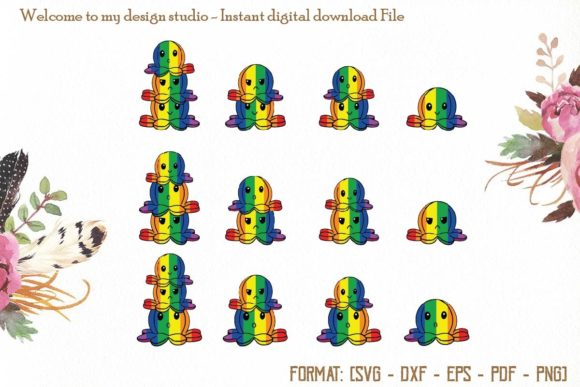
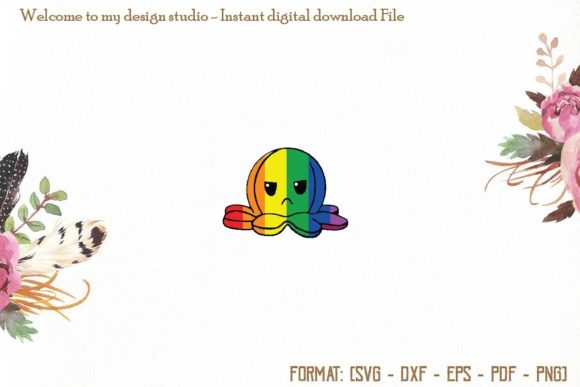
The visual personality of the Cute Octopus Svg is its strongest asset. In the world of Illustrations and Graphics, simplicity often wins, and this octopus captures that balance well. The shape suggests a friendly character with enough distinct features to be recognizable even when rendered in thread. When I imagine this as a finished piece, I see a design that relies heavily on clean lines and bold shapes, which are crucial for maintaining clarity in embroidery. Unlike intricate line art that can get lost in the fabric weave, this design promises a strong silhouette that will survive the tension of machine stitching.
However, the transition from a vector file to a physical object requires careful planning. The file formats listed—PNG, SVG, EPS, DXF, PDF—are standard for versatile use, but the devil is in the details. For an embroidery project, the DXF or SVG pathing determines how the stitches flow. If the curves of the tentacles are too tight, they might bunch up during stitching. If they are too loose, the design could look stretched on a curved surface like a cap. My first instinct is to treat this as a potential embroidery design that needs a test run to ensure the satin stitch edges don't pucker the fabric.
Real-Life Application: The Tote Bag Scenario
To truly understand the value of this asset, let's look at a real-world scenario. Imagine you are an Etsy seller preparing a batch of custom embroidered tote bags for a summer market. You want something that appeals to parents and beachgoers alike. The Cute Octopus Svg fits this niche perfectly. Placing it on a natural canvas bag, the design would pop, creating a charming focal point that invites conversation.
In this context, the design serves as more than just decoration; it adds perceived value to the handmade product. Customers buying a personalized gift often look for unique touches, and a well-executed octopus motif signals attention to detail. Whether you are making a tote bag design for a boutique or a small shop product for a craft fair, this graphic provides a professional finish that elevates the item above a generic print. It works equally well on a sweatshirt embroidery project for a casual hoodie or a baby embroidery piece for a onesie, where softness and cuteness are paramount.
Technical Considerations for Embroidery Success
While the concept is solid, executing it requires specific technical knowledge. Not all fabrics play nice with all designs. If you plan to use this for commercial embroidery on stretchy fabrics like jersey or thin materials like linen, you must be cautious. The density of the stitches needs to be appropriate to prevent the fabric from distorting. I recommend checking the stitch density within the software before finalizing the order. High-density areas, especially around the eyes or the center of the body, might require additional stabilizer to keep the shape intact.
For smaller projects, such as an embroidered patch or a cap logo, the scale becomes critical. If the hoop size is too small relative to the design complexity, fine details might disappear or merge together. Conversely, on a large pillow cover or a tea towel, the design might feel sparse if not scaled correctly. Testing the design on scrap fabric first is non-negotiable. This step allows you to adjust the thread colors and check how the running stitch or fill stitch interacts with your chosen material texture.
Where to Use (and Where to Pause)
This design shines on flat surfaces like aprons, blankets, and holiday gifts. It is ideal for nursery decor or wedding gifts where a touch of whimsy is desired. However, there are areas where caution is advised. Dark fabrics can sometimes make lighter threads look muddy unless a high-quality underlay is used. Similarly, textured fabrics like fleece or heavy denim might hide the finer details of the octopus tentacles. If you are working on a curved surface like a baseball cap, ensure the design is digitized specifically for that curvature to avoid distortion.
Another consideration is the durability of the finished product. If the item is intended for frequent washing, such as a kitchen towel or a child's clothing, the stitch placement must be secure. Loose ends or overly dense areas can lead to snagging or wear over time. Always inspect small details and decorative accents closely to ensure they will withstand regular use without fraying.
Building Trust Through Quality Execution
For creative entrepreneurs and small business owners, the quality of your embroidery directly impacts customer trust. A sloppy execution of a cute design can ruin the charm, while a precise one builds brand consistency. When you present a finished product, the goal is to show that every stitch was intentional. Using proper stabilizer and matching thread colors to the design's palette ensures a polished look that justifies a higher price point.
Before listing this as a digital embroidery file or selling items made with it, confirm the licensing terms. Are you allowed to sell the finished goods? Does the license cover commercial use for multiple units? These questions are vital for protecting your craft business. Additionally, creating printable mockups with the Cute Octopus Svg on different backgrounds can help you visualize the final result and attract buyers online.
Final Thoughts for the Maker
The Cute Octopus Svg is a versatile addition to any designer's toolkit, offering a blend of charm and practicality. It works beautifully for personalized gifts, custom apparel, and various home decor items. By approaching it with a critical eye—testing on scraps, adjusting densities, and choosing the right fabrics—you can transform a simple digital graphic into a stunning physical reality. Whether you are a hobbyist looking to create a special gift or a seasoned pro expanding your design assets collection, this octopus offers a delightful opportunity to showcase your skills. Just remember, the best results come from preparation, patience, and a clear understanding of how your machine handles the design.