Leopard Print Pumpkin: A Designer's Real-World Review
As someone who has spent years stitching custom pieces for clients and running a small embroidery shop, I know that the difference between a design that sells and one that gathers dust often comes down to practicality. When Leopard Print Pumpkin landed on my desk, my first thought wasn't about its cute factor, but how it would hold up under the needle. This isn't just another seasonal graphic; it is a bold intersection of wild texture and autumn warmth. Whether you are an Etsy seller looking to expand your holiday catalog or a hobbyist wanting to make a unique gift, understanding the mechanics of this design before you start stitching is crucial.
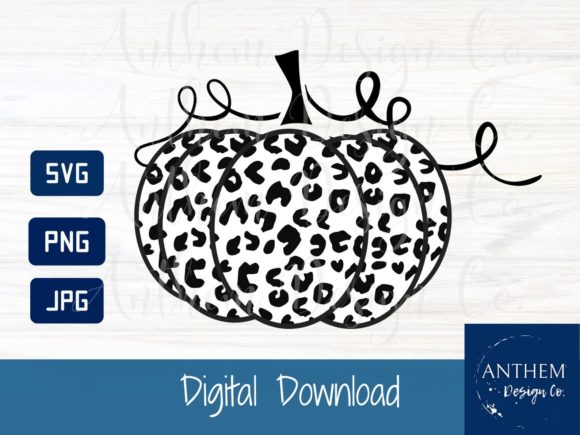
The mood of Leopard Print Pumpkin is immediately striking. It takes the cozy, familiar silhouette of a pumpkin and injects it with a high-fashion, edgy personality. In the world of machine embroidery, where detail can easily get lost in the thread, this design manages to balance pattern density with clear shape definition. It feels like a statement piece rather than a background element. For a designer, this means it demands attention on a garment or accessory. It creates a visual pop that works exceptionally well for fall-themed collections, bridal showers with a rustic twist, or even as a quirky accent on winter gear. The layout suggests versatility, allowing it to sit comfortably on a chest pocket of a denim jacket or center stage on a tote bag.
Real-World Application: From Sketch to Stitch
I recently decided to test Leopard Print Pumpkin on a custom project to see if it could stand up to real-world wear. My goal was to create a limited-run collection of embroidered patches for a local craft fair. I chose a sturdy canvas fabric for the base, which is ideal for holding the intricate details of the leopard print without the stitches sinking into the weave. The result was impressive. The contrast between the spotted pattern and the solid pumpkin outline created a depth that flat printing simply cannot achieve.
This same principle applies when moving from patches to apparel. Imagine Leopard Print Pumpkin stitched onto a dark navy sweatshirt. The lighter threads of the print would catch the light beautifully, making the design feel textured and tactile. For a boutique owner, this adds perceived value. Customers often associate complex stitch work with higher quality. However, if you are planning to use this as a tote bag design, you must consider the surface area. The design needs enough room to breathe; cramming it too tightly onto a small bag might cause the edges to pucker, ruining the clean lines of the pumpkin shape.
When thinking about personalized gifts, this design shines. Picture a baby onesie or a nursery pillow cover featuring this motif. The playful nature of the animal print softens the traditional fall theme, making it perfect for a gender-neutral baby shower gift. It bridges the gap between a standard seasonal item and something that feels timeless. As a handmade product, the uniqueness of the print allows you to charge a premium compared to generic floral or leaf motifs. It signals to the buyer that you put thought into the aesthetic, not just the production.
Navigating Fabric and Stitch Challenges
While Leopard Print Pumpkin is versatile, it is not without its challenges. An experienced embroiderer knows that every design has a "sweet spot" for fabric and hoop size. If you attempt to stitch this on thin, stretchy knit fabrics without proper stabilization, the tension required for the fill stitches will likely cause the fabric to warp. The leopard spots, being smaller details, are particularly susceptible to distortion if the underlying material shifts during the process.
For those working with dark fabrics, thread color selection becomes a critical decision. You need to ensure there is enough contrast between the base fabric and the thread used for the pumpkin outline. If the contrast is too low, the design loses definition, and the leopard print can look muddy rather than crisp. Conversely, on light fabrics, the density of the print might overwhelm the garment if the stitch count is too high. Always check the stitch density settings in your software before committing to a full run.
Hoop size is another factor that dictates success. While this design works well on standard 4x4 or 5x7 hoops, attempting to fit it into a tiny 2x2 hoop intended for a hat brim or a child's sock might cut off essential details. Curved surfaces like caps present a specific challenge. The transition from the rounded body of the pumpkin to the jagged spots requires precise placement to avoid bunching at the seams. If you are creating an embroidered patch to be ironed or sewn onto a cap, ensure the backing is stable enough to handle the curve without distorting the image.
Visual Appeal and Brand Consistency
In the competitive world of craft business and Etsy selling, visual consistency is key to building trust. Leopard Print Pumpkin offers a distinct style that can become part of your brand identity. When used across multiple products—such as a matching set of kitchen towels, aprons, and tote bags—it creates a cohesive look that customers recognize instantly. This repetition builds brand recall, turning a one-time buyer into a repeat customer.
The design also elevates the presentation of finished goods. There is something inherently professional about a well-executed machine embroidery design. The clarity of the satin stitch outlining the pumpkin and the precision of the fill stitch within the spots convey a level of craftsmanship that buyers appreciate. It transforms a simple commodity into a piece of art. For commercial projects, this distinction can justify higher price points and attract a more discerning clientele.
However, caution is advised when using this design for items that require frequent washing. While high-quality thread and stabilizers can mitigate wear, designs with high detail density and varying stitch directions may show signs of fraying over time if not cared for properly. Always advise your customers on gentle washing cycles to preserve the integrity of the finished product.
Practical Notes for the Designer
Before you download and start stitching, there are several technical steps you must take to ensure success. First, always test the Leopard Print Pumpkin on scrap fabric that matches the texture and weight of your final project. This allows you to gauge the thread tension and adjust your settings accordingly. Check the thread colors against your intended fabric to confirm they provide the necessary contrast.
If you are unsure about the file formats or specific stitch counts provided by the creator, verify these details immediately. Different machines handle digital embroidery files differently, and compatibility issues can lead to wasted time and materials. Ensure you have the correct stabilizer for your fabric type; a heavy-duty cut-away is often needed for dense designs like this to prevent puckering.
Finally, review the licensing terms carefully. Are you allowed to sell finished items made with this design? Does the license cover digital mockups for marketing? Understanding these rules protects your small shop product line from legal issues. By treating Leopard Print Pumpkin as a professional asset rather than just a fun graphic, you ensure that your embroidery project results in a high-quality, market-ready item that stands out in a crowded marketplace.