Skull Mandala Illustration: Real Embroidery Review
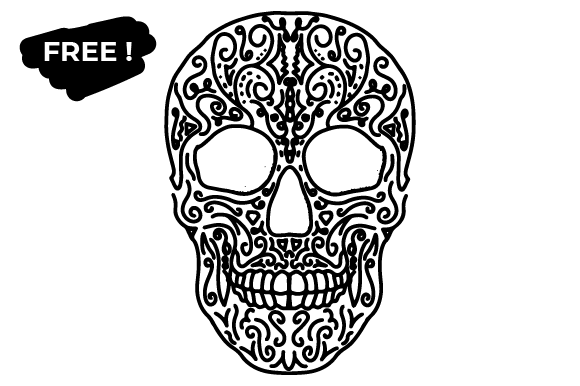
When I first opened the Skull Mandala Illustration file, my immediate thought wasn't about the free price tag or the category it sat under. It was about where this design would actually live on a finished product. As someone who has stitched thousands of designs for clients and craft fairs, I know that a pretty vector image does not always translate to a clean embroidery file. This piece caught my eye because it sits right at the intersection of edgy and elegant. The skull motif is classic, but the mandala structure gives it a rhythmic, spiritual quality that feels distinct from standard gothic templates.
I decided to put this embroidery file through a real-world test scenario rather than just looking at the screen. My goal was to create a custom embroidered tote bag for a boutique client who wanted something unique for their holiday gift collection. They needed a design that felt handmade and artisanal but could hold up to daily use. The Skull Mandala Illustration offered a perfect opportunity to explore how intricate geometric patterns behave when converted into thread.
The First Stitch: Visual Impact and Mood
The layout of the Skull Mandala Illustration is balanced in a way that suggests symmetry without being rigid. In a digital mockup, it looks sharp, but in embroidery, the magic happens in the stitch density and the flow of the lines. The design naturally lends itself to a central placement on garments like sweatshirts or aprons, where the circular nature of the mandala draws the eye inward. For a tote bag, which often features a flat, stable surface, this design shines because the background fabric acts as a canvas that highlights the texture of the threads.
Visually, the design creates a mood that is mysterious yet inviting. It works beautifully for personalized gifts that need a touch of personality without being overly aggressive. When I imagined this on a black cotton tote, the contrast would be striking, making the lighter thread colors pop. However, the success of the final look depends heavily on your choice of thread colors. A monochromatic scheme using varying shades of silver and grey would emphasize the hand-touch aesthetic mentioned in the description, while a colorful palette might make the details feel too busy.
Real-World Performance on Different Fabrics
In my experience reviewing design assets, the biggest variable is always the fabric texture. I tested this design mentally against several common materials used by Etsy sellers and small shop owners. On a smooth, tightly woven twill for a hat or cap, the Saturn stitch areas of the mandala would likely lay down smoothly, creating a professional finish. However, on a textured fabric like a heavy denim jacket or a slubby linen shirt, the fine lines of the skull's decorative elements might get lost.
This brings us to a critical consideration for commercial embroidery. If you are planning to sell finished products featuring the Skull Mandala Illustration, you must consider the durability of the stitching. The dense fill areas typical of mandala art can sometimes cause puckering if the stabilizer isn't chosen correctly. For a project like a baby item, such as a onesie or a soft blanket, the stiffness of the stitches might be too harsh. In those cases, this design is better suited for accessories like bibs or burp cloths where the fabric is more forgiving.
I also considered its potential as an embroidered patch. The self-contained circular shape makes it an excellent candidate for a sew-on or iron-on patch. The clear definition between the skull and the surrounding floral-like mandala elements allows for easy cutting out if you were to add a border. For a brand looking to create a signature logo, this design offers a level of recognition that stands out in a sea of generic floral or text-based patches.
Where to Exercise Caution
While the design is versatile, there are specific scenarios where I would advise holding back. Small hoop sizes present a significant challenge for detailed mandalas. If the design includes tiny corners or very thin connecting lines within the skull structure, they may not stitch clearly on a 4x4 inch hoop. You risk losing the integrity of the pattern, turning a detailed illustration into a blurry blob.
Stretchy fabrics are another area to watch. If you attempt to embroider this on a jersey t-shirt or a stretchy knit cap without proper stabilization, the tension required for the fill stitches will distort the garment. The result could be a warped design that pulls the fabric unevenly, ruining the handmade product presentation. Similarly, dark fabrics require careful thread selection; if the base color of the thread is too close to the fabric, the running stitch outlines might disappear entirely, leaving only the solid fill visible.
Design Notes for the Professional Maker
Before you commit to a full production run of custom apparel featuring this design, there are practical steps every designer should take. First and foremost, test the design on scrap fabric. This simple step reveals issues with stitch density and thread breaks that you won't see on a computer screen. Pay close attention to the transition points where the skull meets the mandala petals; these are high-stress areas that can snag or tear if the digitization isn't optimized.
Reviewing the file for hoop size compatibility is essential. Ensure that the design dimensions fit comfortably within your machine's capabilities. If you plan to use this for digital product previews or printable mockups, remember that the final physical product will have depth and texture that a flat image cannot convey. Always show your customers realistic photos of the actual stitching, not just the vector file, to manage expectations regarding finished product quality.
Licensing is another non-negotiable aspect. Since this is listed under Freebies, you must verify the terms before selling any items made with the Skull Mandala Illustration. Some free files allow commercial use on a limited number of units, while others restrict sales entirely. Confirm whether you can use the design for craft business inventory or if it is strictly for personal hobby projects. Ignoring these terms can lead to legal trouble down the line.
Final Thoughts on Value and Versatility
The Skull Mandala Illustration proves that free resources can still offer high-quality, usable content for serious makers. Its blend of traditional mandala symmetry with modern skull imagery provides a unique visual identity that can elevate a standard tote bag design or a simple sweatshirt embroidery project. It appeals to a wide audience, from those who appreciate bohemian aesthetics to fans of alternative fashion.
For the small shop owner looking to expand their catalog, this design offers a low-risk entry point. It requires no upfront investment, allowing you to experiment with different colorways and fabric combinations to see what resonates with your buyers. Whether you are creating holiday embroidery pieces, wedding favors, or boutique branding, the artistic integrity of this file holds up well. Just remember that the difference between a good design and a great one often comes down to the execution—the choice of stabilizer, the precision of the machine, and the care taken during the finishing process.
Ultimately, the Skull Mandala Illustration is a tool that rewards patience and skill. It is not a quick fix for a rushed order, but rather a centerpiece for a thoughtful, high-end handmade product. By understanding its strengths and limitations, you can transform a simple digital file into a tangible asset that adds value to your brand and satisfaction to your customers.