Fishing T-Shirt Design Review
As a designer who has spent years turning digital files into tangible, stitched treasures, I know that the difference between a good product and a great one often comes down to the details hidden in the code. Today, I am evaluating the Fishing T-Shirt Design, a piece of digital embroidery art intended for creators like you. Whether you are an Etsy seller looking to expand your catalog, a craft business owner preparing for a holiday rush, or a hobbyist making a personalized gift for a loved one, understanding how a design behaves before it hits the hoop is crucial.
The description provided is simple: "Hello and Welcome to my T-Shirt Design Store. Here You Can find and Buy T-Shirt Design Digital Files for yourself, friends family, or anyone who supports your Special Day Occasions. All Files are Easy." While this tells us the file is user-friendly and versatile for various occasions, it leaves much to the imagination regarding the actual visual execution. My goal here is to bridge that gap, offering a practical perspective on how this embroidery file might perform when applied to real-world projects.
First Impressions and Visual Personality
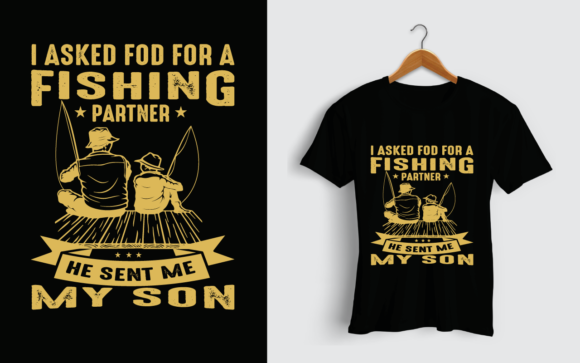
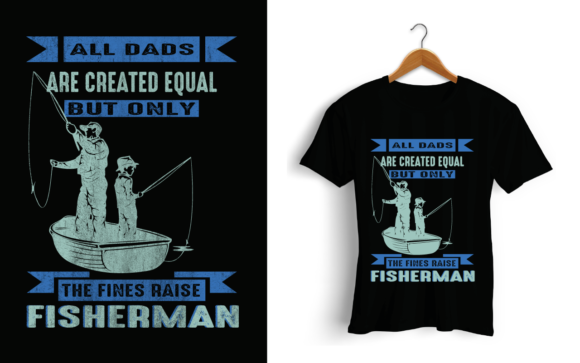
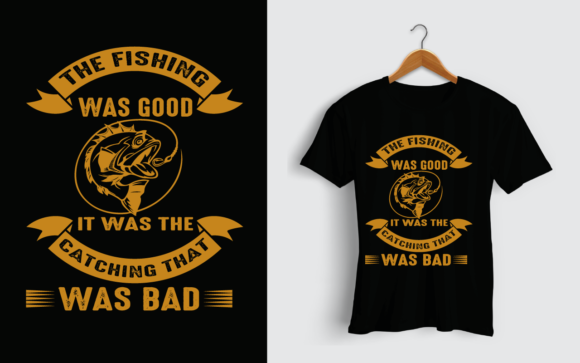
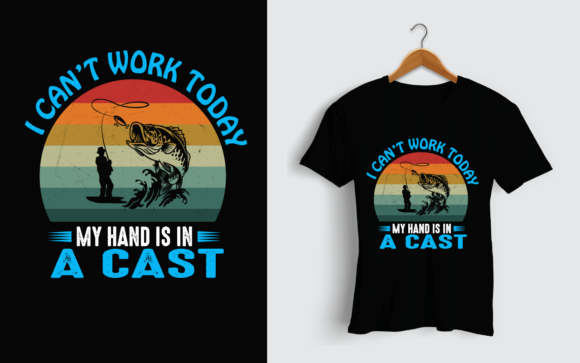
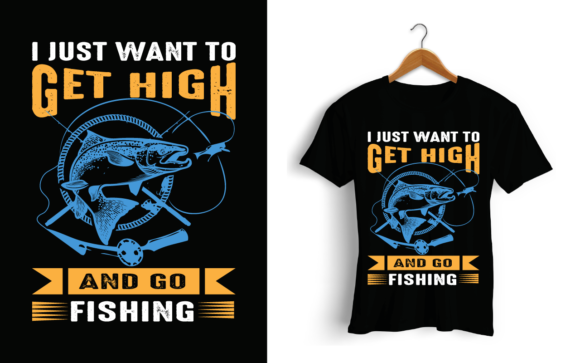
When I first look at a design titled Fishing T-Shirt Design, I immediately think about the mood it evokes. Does it feel rugged and outdoorsy, or playful and whimsical? For a design to succeed in the world of custom apparel, it needs a distinct personality. In the context of print templates and graphics, the layout is everything. A fishing theme suggests water, nature, patience, and perhaps a bit of humor. The shape of the design should naturally guide the eye, whether it features a fish, a hook, a boat, or a scenic shoreline.
If the design relies too heavily on tiny, intricate lines, it risks getting lost in the texture of the fabric. However, if it utilizes bold shapes and clear negative space, it will translate beautifully from a screen to a stitch. The visual appeal of a machine embroidery design is not just about what it looks like in isolation, but how it interacts with the garment it adorns. A well-composed fishing motif can turn a plain t-shirt into a statement piece that resonates with anglers and outdoor enthusiasts alike.
Real-World Application: From Digital to Finished Product
Let me walk you through a scenario. Imagine you are preparing for a local craft fair. You have decided to create a line of handmade products featuring outdoor themes. You choose the Fishing T-Shirt Design as the centerpiece for a series of items: tote bags, sweatshirts, and even baby onesies. This is where the true test begins.
On a sturdy cotton tote bag, the design likely shines. The heavy canvas provides a stable foundation, allowing the satin stitch edges to stand out crisp and clean. Customers browsing the booth would see a professional finish that suggests quality. They would appreciate the clarity of the stitches, which builds trust in your brand. For a small shop product, this level of detail is vital because it elevates the perceived value of the item.
However, consider the same design applied to a sweatshirt. The fabric there is thicker and more textured. If the stitch density of the Fishing T-Shirt Design is too high, it might cause the fabric to pucker or create a stiff area that feels uncomfortable against the skin. Conversely, if the design uses fill stitch effectively, it can add a nice dimension to the garment without overwhelming the material. The key is ensuring the design fits the specific fabric texture.
I also envision this design being perfect for a personalized gift. Picture a father receiving a hat embroidered with this fishing motif for his birthday. The emotional connection is immediate. The design becomes a symbol of shared memories and hobbies. For an Etsy seller, this versatility is gold. It allows you to offer a single digital asset across multiple categories, from holiday embroidery gifts to everyday wear.
Where to Exercise Caution
While the potential is high, every embroidery project comes with its own set of challenges. There are specific scenarios where the Fishing T-Shirt Design might require careful consideration or modification. First, let's talk about small hoop sizes. If the design contains detailed corners or tiny lettering, shrinking it down to fit a 4x4 inch hoop could result in a muddy mess. Tiny details often disappear when the machine needle punches through the fabric repeatedly.
Textured fabrics are another hurdle. If you attempt to embroider this design on a rough linen or a fuzzy fleece without proper preparation, the thread may not lay flat, and the definition could be lost. Thin fabrics present a different issue; they are prone to puckering if the stabilizer isn't chosen correctly. Similarly, stretchy fabrics like jersey knits require a stabilizer that offers enough support to prevent distortion during the stitching process.
Dense stitch areas can also be problematic, especially on dark fabrics. If the design relies on light-colored threads for highlights, the underlying fabric color might show through, altering the intended look. Furthermore, curved surfaces like caps can be tricky. Unless the design was specifically digitized for a cap, applying it to a curved brim might result in uneven tension or misalignment. Always inspect small details and test them thoroughly before committing to a bulk production run.
Practical Designer Notes for Success
To ensure your finished product meets professional standards, I recommend following a few critical steps. First, always test the design on scrap fabric that matches your final material. This allows you to check thread color contrast and observe how the running stitch and other elements behave under tension. Review the stitch density visually; if it looks too crowded, consider simplifying the design or adjusting the settings on your machine.
Confirming the correct hoop size is essential. Make sure the design dimensions align with the hooping capabilities of your machine to avoid errors. Inspect the small details closely; sometimes, what looks fine on a monitor appears jagged when stitched. Testing the design in black and white mockups can help you visualize the contrast and balance before spending money on colored threads.
Don't forget the importance of stabilizer. Using the wrong type can ruin even the best digital embroidery file. Ensure you have the right backing to keep the fabric taut and prevent shifting. Additionally, verify whether the license allows for both personal and commercial use. Many sellers overlook this, leading to legal issues later. Check the terms provided by the store to confirm you can sell finished items made with the Fishing T-Shirt Design.
Final Thoughts on Value and Trust
In the end, the success of a custom apparel item depends on the harmony between the design and the execution. The Fishing T-Shirt Design offers a strong foundation for creating memorable items. Whether you are producing embroidered patches, tote bag designs, or baby embroidery pieces, the right design choice can significantly impact customer engagement and brand consistency.
A well-executed design fosters recognition and professionalism. It tells the buyer that you care about quality. When customers receive a personalized gift or a boutique product that looks polished and durable, they are more likely to return for future purchases. By taking the time to evaluate the design's strengths and limitations, you protect your reputation and ensure that every finished product reflects the high standards of your craft business.
Before you begin your next project, remember to check the specific file formats and compatibility details mentioned in the store description. If those specifics are not clearly outlined, reach out to the creator or test the file cautiously. With careful planning and attention to detail, this design can become a staple in your collection of design assets, ready to bring your creative vision to life.