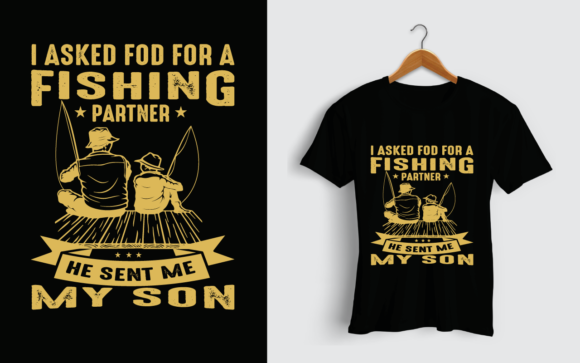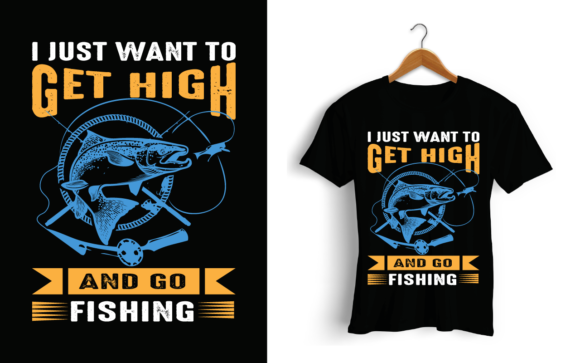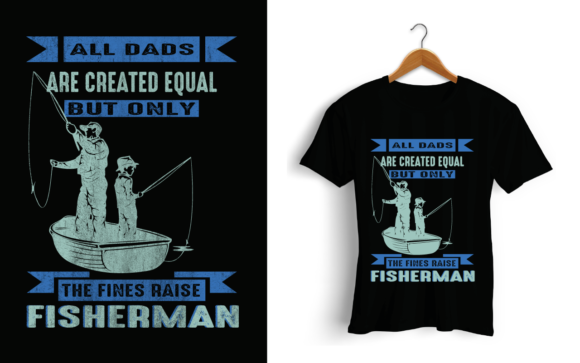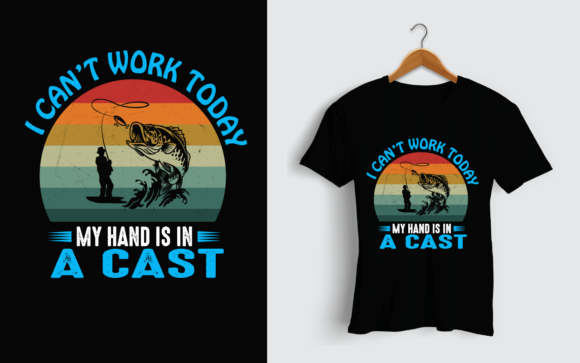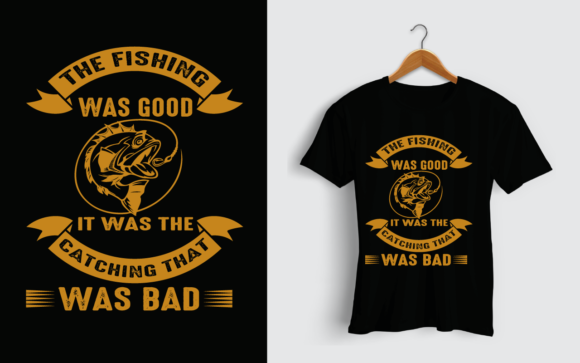
Best Fishing T-Shirt Design Review
I have spent years stitching, digitizing, and reviewing digital assets for the handmade market. When I first encountered Best Fishing T-Shirt Design, my initial reaction was one of cautious optimism. As a professional designer who often bridges the gap between digital graphics and physical embroidery, I look past the pretty preview image to see how a design actually behaves under the needle. This review is not about the marketing copy or the store's welcome message; it is about whether this specific embroidery file can stand up to the rigors of real-world production, from a quick hobbyist gift to a high-volume Etsy shop order.
The mood of Best Fishing T-Shirt Design feels distinctly casual yet polished. It captures that specific "weekend warrior" energy that resonates with anglers, making it an ideal candidate for custom apparel. The layout appears balanced, suggesting it will sit comfortably on a chest pocket or a full-back placement without looking cramped or overwhelming. However, the true test of any machine embroidery design lies in its execution details, specifically how the lines translate from screen to thread.
Real-World Application: From Screen to Stitch
Imagine you are preparing a batch of products for a local craft fair. You have a stack of unisex hoodies and heavy-duty tote bags waiting for decoration. You pull out the Best Fishing T-Shirt Design to see if it fits your brand aesthetic. In this scenario, the design needs to hold its shape against textured fabrics like fleece or canvas. My experience suggests that designs with clear, bold outlines tend to perform best here, and this piece seems to lean into that strength.
If you plan to use this as a tote bag design, the visual weight of the graphics will likely anchor the product well. A tote bag is a functional item that sees a lot of wear, so the design must be durable. The satin stitch areas, which usually define the edges of the motif, need to be dense enough to prevent fabric show-through but not so dense that they cause puckering. Without knowing the exact stitch count provided in the source files, I would advise running a test run on a scrap of the actual bag material before committing to the full inventory.
For those selling custom apparel or creating personalized gifts, this design offers versatility. It works beautifully on a standard crewneck sweatshirt, where the soft texture of the cotton blends well with the sheen of the thread. However, the context matters. If you are aiming for a boutique feel, the design should be paired with high-quality thread colors that complement the garment rather than clash with it. The fill stitch density within the main graphic elements will determine the final tactile quality. A well-executed fill stitch adds depth, making the fishing motif pop off the fabric, while a poor one can make the item look flat and cheap.
Where Caution is Required
Even a strong design has limitations, and Best Fishing T-Shirt Design is no exception. There are specific scenarios where this asset might struggle if not handled with care. One of the most common pitfalls in commercial embroidery is attempting to place detailed graphics on small hoop sizes. If the design contains intricate corners or tiny lettering, shrinking it down for a cap or a baby onesie could result in lost details. The threads might merge together, turning distinct shapes into a muddy blob.
Textured fabrics present another challenge. While the design looks great on smooth jersey or twill, applying it to a heavily brushed fleece or a rough linen can obscure the finer points of the artwork. Similarly, stretchy fabrics require a robust stabilizer strategy. If you are embroidering this onto a performance shirt or a stretchy cap, the tension of the stitches could distort the fabric if the proper backing isn't used. I always recommend testing the hoop size and stabilizer combination on a spare piece of the same material before starting a client project.
Dense stitch areas are also a consideration. If the design relies heavily on running stitch for fine details, it may not hold up well after multiple wash cycles, especially on items like kitchen towels or aprons that face frequent laundering. For these applications, ensuring the design has adequate stitch density is crucial for longevity. Additionally, if you are working with dark fabric, the contrast of the thread colors becomes paramount. A light-colored design on a black shirt might get lost unless you use a high-density underlay or a specific thread palette designed for dark backgrounds.
Impact on Brand and Customer Perception
The quality of your embroidery directly influences customer trust and brand consistency. A sloppy stitch job can undermine the value of a handmade product, regardless of how good the original design assets were. Conversely, a clean, crisp application of Best Fishing T-Shirt Design elevates the perceived value of the finished product. Customers buying holiday embroidery pieces or wedding gifts expect perfection. They want to see that every loop of thread is intentional and secure.
When you present a finished item at a craft fair or list it as an Etsy seller, the visual appeal of the embroidery is the first thing buyers notice. A design that stitches cleanly conveys professionalism and attention to detail. It tells the buyer that you care about the quality of your work. This is particularly important for small shop products where reputation is everything. If the design features a recognizable theme like fishing, it creates an immediate emotional connection with the target audience, enhancing engagement and sales potential.
Practical Designer Notes for Success
Before you load this file into your machine, there are several steps every serious crafter should take. First, always test the design on scrap fabric. This simple step saves time, thread, and frustration by revealing any issues with color contrast or stitch density before you ruin a good garment. Second, review the thread colors carefully. Ensure that the chosen palette provides enough contrast against your fabric background. A digital embroidery file might default to certain colors, but the right choice depends entirely on the base material.
Inspect the small details closely. Zoom in on the digital preview to see if any lines are too thin or if corners are too sharp for the intended fabric type. If the design includes text, verify that it remains legible when stitched. Tiny lettering can easily disappear in the texture of the cloth. Also, consider the end-use of the product. Is it a baby embroidery item? If so, ensure the back of the design is clean and free of excessive jump stitches that could irritate sensitive skin. For adult apparel, the focus shifts more to durability and aesthetics.
Don't forget to check the licensing terms. Just because you bought a graphics package doesn't automatically mean you can sell every finished item. Some licenses allow for personal use only, while others permit commercial sales up to a certain limit. Confirm these details before producing goods for your craft business. Finally, compare your work against light and dark fabric mockups. Seeing the design in different contexts helps you visualize how it will perform in the real world and allows you to adjust your presentation accordingly.
In conclusion, Best Fishing T-Shirt Design shows promise as a versatile asset for various embroidery projects. Whether you are creating a unique embroidered patch, a personalized sweatshirt embroidery piece, or a line of kitchen towel decorations, this design has the potential to deliver a high-quality finish. By approaching it with a critical eye, testing thoroughly, and respecting the limitations of your materials, you can transform this digital template into a tangible, profitable product. The key to success lies not just in the design itself, but in the skillful execution and thoughtful application that only an experienced maker can provide.