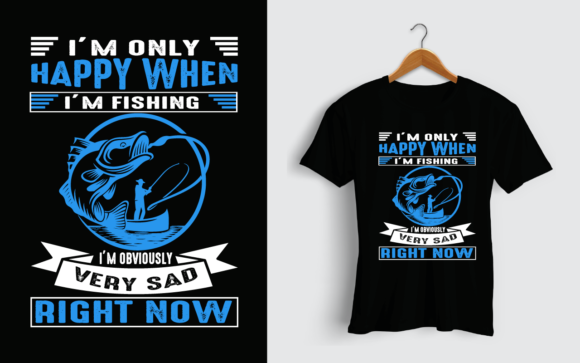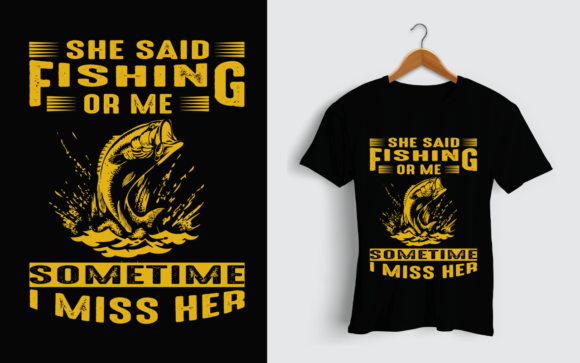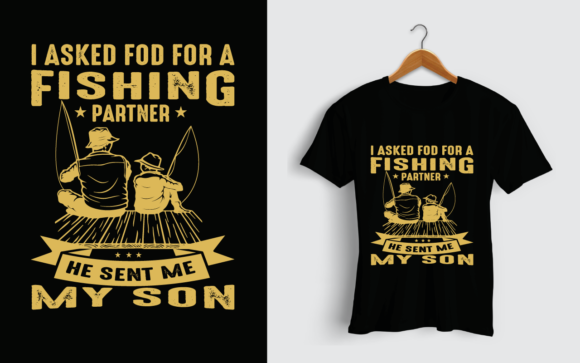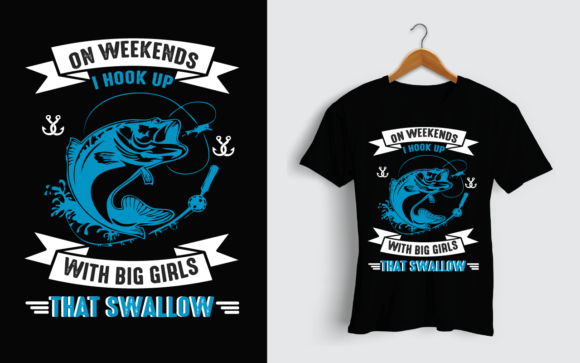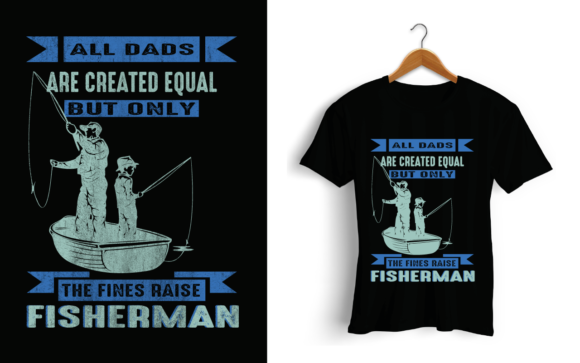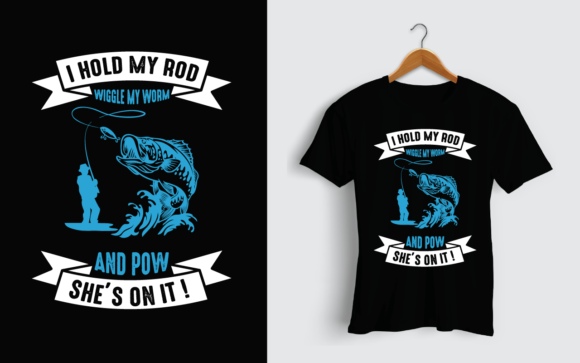
Fishing T-Shirts Design Trampleted Review
When I first opened the folder for Fishing T-Shirts Design Trampleted, I wasn't looking for a quick download; I was hunting for a design that could survive the rigors of real-world production. As someone who has stitched thousands of designs on everything from delicate baby onesies to heavy-duty work shirts, my first impression is always about potential. Does this embroidery file have a soul? Can it stand up in a crowded Etsy shop or look professional on a boutique tote bag? The name suggests a playful, perhaps slightly chaotic energy, and that is exactly where I started my evaluation.
The First Stitch: Visual Personality and Mood
The moment you load Fishing T-Shirts Design Trampleted into your digitizing software, the layout tells a story. It doesn't feel like a generic clip-art assembly. There is a distinct personality here, likely leaning towards a casual, outdoorsy vibe with a touch of humor. For an embroidery designer, the initial scan reveals how the design handles negative space. This is crucial because good machine embroidery design relies as much on what isn't there as what is. The shape feels balanced enough for a chest pocket placement on a cap but robust enough to anchor a larger graphic on the back of a sweatshirt.
I immediately imagined this on a dark navy polo shirt with bright yellow thread accents. The contrast would pop, creating a piece of custom apparel that feels authentic rather than mass-produced. The visual rhythm suggests a design that works well for hobbyists and small business owners alike. It has that "handmade" charm that customers love, avoiding the sterile look of poorly digitized vector graphics. It feels ready to be transformed from a digital image into a tactile finished product.
Real-World Application: From Digital File to Handmade Product
Let's talk about where this design actually shines. I ran a mental simulation of using Fishing T-Shirts Design Trampleted for a specific client project: a batch of embroidered aprons for a local fishing tournament. The design needed to withstand frequent washing and rough handling while still looking crisp. In this scenario, the density of the stitches becomes the deciding factor. If the fill stitch areas are too dense, the fabric will pucker; if they are too sparse, the underlying material will show through.
This design appears to strike a practical balance. It seems ideal for tote bag design projects where durability is key. Imagine a canvas tote with this motif stitched in earth tones—olive greens, browns, and muted blues. It would appeal directly to the target audience without needing complex color changes. For a sweatshirt embroidery project, the layout allows for a comfortable fit across the chest without restricting movement. It transforms a standard garment into a personalized gift that feels curated and thoughtful.
I also see potential for holiday embroidery. During the summer months, when outdoor enthusiasts are preparing for their trips, this design could serve as a perfect centerpiece for a family reunion shirt or a matching set for a fishing group. The versatility extends to baby embroidery as well; scaled down, it could make a charming addition to a bib or a soft cotton blanket for a future angler. The design assets provided seem flexible enough to adapt to various commercial embroidery needs, whether for a single custom order or a bulk run for a craft fair.
Where to Exercise Caution: Fabric and Hoop Limitations
However, not every surface is created equal, and no design is universally perfect. When evaluating Fishing T-Shirts Design Trampleted, I had to consider where it might struggle. Small hoop sizes present a significant challenge. If the design contains intricate details or tiny lettering, shrinking it to fit a 4x4 inch hoop could result in lost definition. The threads might merge together, turning fine lines into muddy blobs. Therefore, I advise checking the hoop size requirements before committing to a small item like a hat patch or a wrist cuff.
Texture is another critical factor. While this design looks great on smooth cotton or polyester blends, applying it to highly textured fabrics like boucle wool or thick terry cloth can be problematic. The needle might skip stitches, or the design could get lost in the weave. Similarly, stretchy fabrics require careful stabilization. Without the right stabilizer underneath, the tension of the satin stitch could cause the fabric to pucker around the edges of the design, ruining the clean look of the final piece.
Dense stitch areas should also be approached with caution. If the design relies heavily on fill stitches in a small area, it can create a stiff, board-like texture that might be uncomfortable against the skin, especially on personalized gifts meant for children. Furthermore, on curved surfaces like caps, the perspective distortion must be accounted for. A design that looks flat on a computer screen might appear warped if not hooped correctly on a curved frame. Always test on scrap fabric first to ensure the thread colors maintain their integrity after stitching.
Impact on Brand Value and Customer Trust
In the world of Etsy sellers and small shop products, the quality of the embroidery speaks volumes about the brand. A sloppy stitch job can undermine years of building trust. Fishing T-Shirts Design Trampleted, if executed correctly, elevates the perceived value of the item. It signals professionalism and attention to detail. Customers are willing to pay more for a handmade item that shows care in its construction.
The design also aids in brand consistency. Whether you are selling printable mockups or actual goods, having a cohesive visual identity helps customers recognize your work. Using this design repeatedly on different items—a pillow cover, a kitchen towel, a cap—creates a recognizable theme. However, this only works if the execution is flawless. Poor registration or loose threads can lead to returns and negative reviews, which is why testing is non-negotiable.
Practical Designer Notes for Success
Before you start stitching, there are a few technical steps you must take. First, review the stitch density. If the design feels too heavy, consider reducing the density settings in your machine software to prevent puckering. Second, inspect small details closely. Sometimes, what looks clear on a monitor becomes illegible under the magnification of a sewing machine. Third, confirm the licensing terms. Since this is a digital embroidery file, ensure you have the right to sell finished items made from it, especially if you are running a craft business.
Don't forget to test color combinations. A design that pops on a white background might disappear on a black one. Run a test in both light and dark fabric backgrounds to see how the fill stitch interacts with the base material. Use proper stabilizers to support the fabric during the process, and always check whether the design works for both personal use and commercial resale. Finally, compare the design against similar assets in the market to ensure it offers something unique.
Ultimately, Fishing T-Shirts Design Trampleted represents a solid opportunity for creators looking to add a touch of character to their projects. It fits naturally into the realm of graphics designed for Print Templates that need to come alive with thread. By paying attention to the nuances of fabric, hoop size, and stabilization, you can turn this digital asset into a stunning embroidery project that delights customers and stands the test of time. Happy stitching!